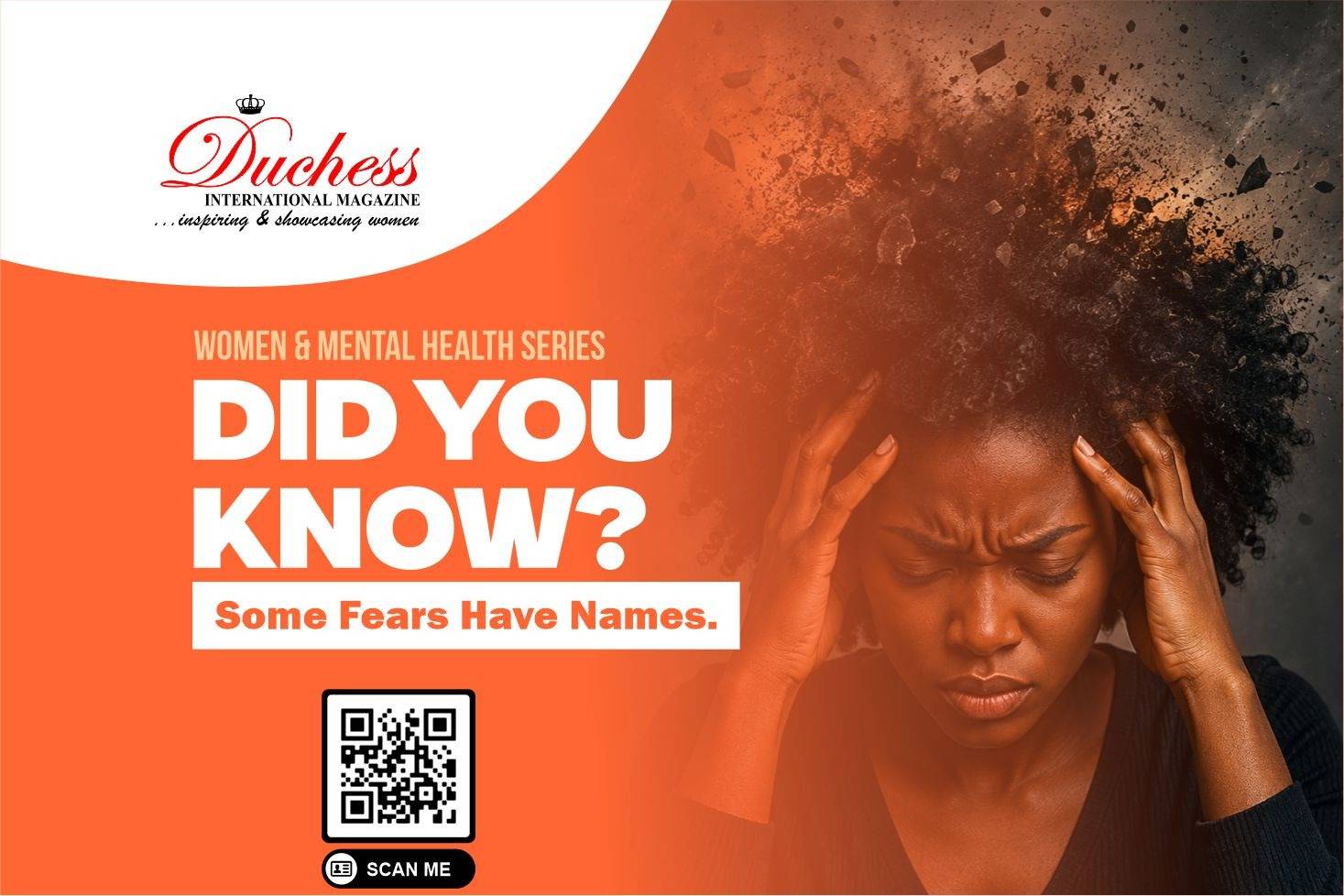
Fear is a natural human emotion that helps protect us from danger. However, when fear becomes excessive, persistent, and overwhelming enough to interfere with everyday life, it may be classified as a phobia. Phobias are recognised anxiety disorders that can affect emotional wellbeing, physical health, relationships, and confidence. Many women experience these conditions without realising that their fears have names or that effective treatment is available.
While phobias can affect anyone, some are particularly relevant to women’s health experiences because they relate to pregnancy, menstruation, medical care, or other gender-specific concerns. Understanding these conditions is an important step towards reducing stigma and encouraging those affected to seek appropriate support.
Tokophobia: The Fear of Pregnancy and Childbirth
Tokophobia is an intense fear of pregnancy or childbirth. It may affect women who have never been pregnant as well as those who have experienced a traumatic birth. For some, the fear becomes so overwhelming that they avoid pregnancy altogether, while others experience severe anxiety throughout pregnancy.
This is a recognised psychological condition, and with appropriate counselling, psychological support, and medical care, many women learn effective ways to manage their fears.
Gynophobia: The Fear of Women
Gynophobia is an irrational and persistent fear of women. Although it is more commonly associated with men, women can also experience it. The condition may develop following traumatic experiences, anxiety disorders, or deeply rooted psychological factors, making social, personal, or professional interactions difficult.
Like many anxiety disorders, gynophobia can often be successfully treated through professional therapy and other evidence-based interventions.
Mastophobia: The Fear of Breasts or Breast Disease
Mastophobia refers to an excessive fear of breasts or illnesses affecting them, particularly breast cancer. This fear may become so intense that some women avoid breast self-examinations, clinical breast examinations, or routine screening appointments.
Avoiding these important health checks can delay early diagnosis. Regular breast awareness and recommended screening remain essential, even when fear or anxiety is present.
Haphephobia: The Fear of Being Touched
Haphephobia is an intense fear of physical touch. For some women, even a simple handshake, hug, or gentle contact may trigger overwhelming anxiety. While the condition can develop after traumatic experiences, it may also occur without a clearly identifiable cause.
This phobia can affect personal relationships, social interactions, and everyday activities. Professional support can help individuals gradually rebuild confidence and improve their quality of life.
Menophobia: The Fear of Menstruation
Menophobia is an intense fear of menstruation. The condition may be linked to painful menstrual experiences, anxiety about bleeding, or cultural beliefs and stigma surrounding periods. It can cause significant emotional distress and interfere with daily routines.
More than simple discomfort or embarrassment, menophobia is recognised as an anxiety-related condition that may benefit from psychological support and appropriate healthcare.
Nosocomephobia: The Fear of Hospitals
Nosocomephobia is a persistent and overwhelming fear of hospitals. For some women, this fear develops after traumatic medical experiences or concerns surrounding surgery, childbirth, or receiving serious medical diagnoses.
As a result, individuals may postpone routine health screenings, avoid medical appointments, or delay seeking urgent treatment. Early intervention from healthcare providers and mental health professionals can help people overcome these fears and access the care they need.
Hemophobia: The Fear of Blood
Hemophobia is an intense fear of blood. Although it can affect anyone, it may be particularly challenging for women during menstruation, pregnancy, childbirth, or routine medical procedures such as blood tests.
The condition may cause dizziness, panic attacks, fainting, or avoidance of necessary healthcare. Fortunately, treatments such as cognitive behavioural therapy and gradual exposure therapy have helped many people significantly reduce their fear and receive essential medical care with greater confidence.
Breaking the Silence Around Phobias
Living with a phobia can be overwhelming, but these conditions are recognised mental health disorders, not signs of weakness or personal failure. They are treatable, and many people experience significant improvement with the right combination of professional care, education, and support.
If fear is preventing you from seeking healthcare, maintaining relationships, or carrying out everyday activities, consider speaking with a qualified mental health professional. Early intervention can make a meaningful difference, and recovery is possible.
Understanding phobias helps reduce stigma and encourages compassionate conversations about mental health. By recognising these conditions and promoting access to support, we can create healthier communities where women feel empowered to seek the care they deserve.