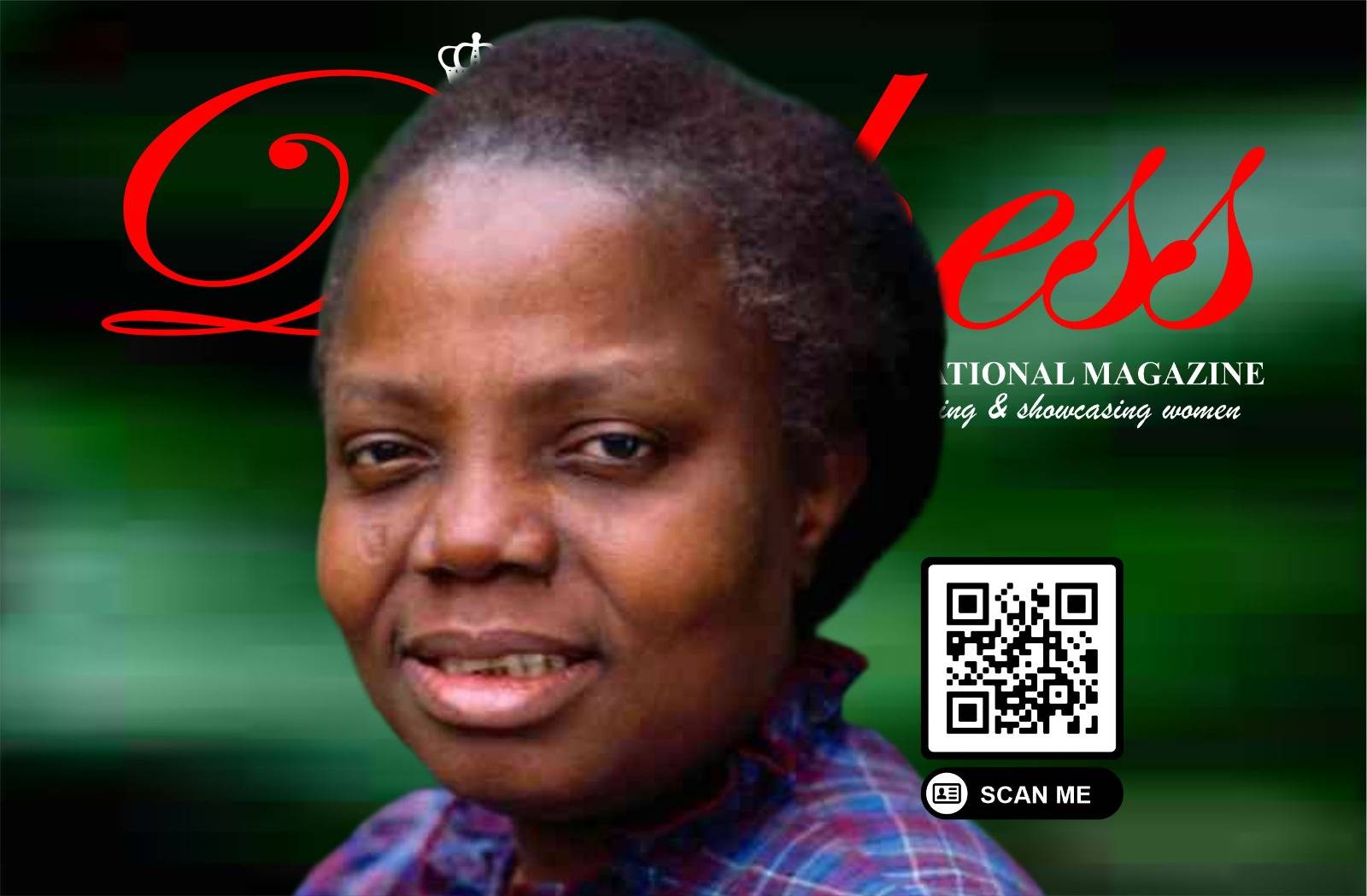
Early Life and Childhood
Born on 21 July 1944 in Lagos, Nigeria, Buchi Emecheta grew up during a period when society placed strict expectations on women and girls. Originally from Ibuza in present-day Delta State, she was raised in a culture where boys were often prioritised for education while girls were expected to prepare mainly for marriage and domestic responsibilities.
Her early years were marked by hardship and loss. After losing her father at a young age, financial difficulties became part of everyday life for the family. Yet even within those struggles, Emecheta remained determined to pursue education. She understood very early that knowledge could become her pathway to independence in a society that frequently underestimated women.
Books gradually became more than school material to her. They represented freedom, imagination, and the possibility of a life beyond limitation. Those childhood experiences shaped her emotional awareness and resilience, qualities that later became deeply visible throughout her writing.
Education and Intellectual Development
Buchi Emecheta attended Methodist Girls’ High School in Lagos, one of the notable schools offering structured education for girls during that period. Excelling academically was not only a personal achievement for her; it was also a quiet challenge to a society that often believed women’s ambitions should remain secondary.
After relocating to the United Kingdom, her pursuit of education continued despite overwhelming responsibilities. While raising children and struggling financially, she studied sociology at the University of London. Balancing academics with motherhood and survival in a foreign country was exhausting, yet she remained committed to improving herself intellectually.
Her study of sociology significantly influenced her literary voice. It deepened her understanding of class inequality, colonial structures, migration, gender expectations, and social oppression — themes that became central throughout her novels.
Education therefore became more than qualification. It strengthened her confidence to question systems that oppressed women and immigrants alike while also giving her the intellectual framework that shaped many of her later works.
Love, Marriage, and Her Relationship With Her Husband
At the age of sixteen, Buchi married Sylvester Onwordi, a student to whom she had been promised from a young age according to family arrangements common within many traditional communities at the time. Their relationship began during her teenage years and carried the hopes many young women had about love, stability, and building a respectable family life.
When Sylvester travelled to London for his studies, Emecheta later joined him in the United Kingdom with their children, believing they were beginning a new chapter filled with opportunity and shared ambition. In the early years of their marriage, there was affection between them, and like many young immigrant couples, they attempted to build a future together under difficult circumstances.
Life in Britain, however, introduced pressures neither of them seemed fully prepared for. Financial hardship, racial discrimination, academic pressure, and the emotional strain of immigrant life gradually created tension within the marriage. At the same time, Emecheta herself was evolving intellectually. Her growing passion for education and writing began to clash with the traditional expectations her husband held about a wife’s role within the home.
Their relationship was therefore far from the romantic “lovey-dovey” image often associated with idealised marriages. Instead, it reflected the patriarchal realities many women experienced during that era, where a woman’s ambition could easily be interpreted as disobedience or rebellion.
As Emecheta’s confidence and literary interests grew, conflict within the marriage intensified. Her husband reportedly struggled with the attention her writing began to receive and did not fully support her creative ambitions. One of the most painful moments in their relationship occurred when he burned the manuscript of her early work during an argument.
The incident devastated her emotionally. Beyond the destruction of pages, it symbolised an attempt to silence her voice and creative identity. Yet even in that moment, Emecheta refused to surrender and rewrote the manuscript from memory. That act of determination became one of the defining examples of her resilience and commitment to storytelling.
Eventually, the marriage collapsed completely, leaving her to raise five children largely on her own in London. The emotional weight of that experience deeply shaped her understanding of womanhood, sacrifice, emotional survival, and independence — themes that became central throughout her novels.
Travelling to Britain and Life in a Foreign Land
Moving to London in the 1960s exposed Buchi Emecheta to realities far harsher than she had imagined. For many African immigrants, Britain represented opportunity and advancement. In reality, life there was often marked by racism, isolation, economic hardship, and social rejection.
As a Black African woman, she occupied one of the most vulnerable positions within British society at the time. Housing discrimination, financial instability, and cultural alienation became part of her daily experience. She also carried the emotional burden of trying to hold her family together while adapting to an unfamiliar society.
These struggles became even more severe after the collapse of her marriage. Suddenly, Emecheta found herself raising five children alone while trying to survive economically in a foreign country. There were periods of intense financial difficulty where balancing food, rent, childcare, education, and personal ambition seemed almost impossible.
Despite those conditions, she continued moving forward with remarkable persistence. She worked various jobs, studied, cared for her children, and wrote late into the night after exhausting days. Literature became both emotional release and survival mechanism. Rather than hiding her struggles, she transformed them into stories that resonated deeply with readers because of their honesty and realism.
Her Struggles Within a Misogynistic Society
Buchi Emecheta’s struggles were not limited to poverty or migration. She also confronted deeply misogynistic attitudes that shaped both African and Western societies during her lifetime.
Women were often expected to endure hardship quietly. Ambitious women could easily be labelled disrespectful, rebellious, or difficult. Female writers, particularly African women writing openly about marriage, abuse, motherhood, and inequality, frequently faced criticism for exposing uncomfortable truths.
Emecheta challenged those expectations directly through her writing. She questioned systems that demanded endless sacrifice from women while denying them autonomy and recognition. She wrote honestly about emotional exhaustion, domestic oppression, loneliness, motherhood, and survival without romanticising suffering.
Her courage sometimes attracted criticism from conservative audiences who believed women should protect cultural silence around such issues. Yet Emecheta remained committed to telling women’s stories truthfully as she had lived and witnessed them. That honesty became one of the defining strengths of her literary voice.
Career and Literary Breakthrough
Buchi Emecheta’s literary career began through articles and short pieces published in the New Statesman. Writing initially existed alongside her responsibilities as a student, worker, and mother. However, her storytelling quickly attracted attention because of its emotional honesty and social depth.
Her breakthrough came with Second-Class Citizen in 1974, a semi-autobiographical novel following Adah, a Nigerian woman struggling against racism, sexism, poverty, and marital conflict in London. The novel resonated deeply because it reflected realities many immigrant women silently experienced.
Readers connected strongly with Emecheta’s ability to portray survival without sentimentality. She continued publishing influential works including The Bride Price, In the Ditch, Kehinde, and Destination Biafra. Through these novels, she established herself as one of the most important voices in African literature.
The Joys of Motherhood and Literary Legacy
Among all her works, The Joys of Motherhood remains perhaps her most celebrated and academically influential novel.
Published in 1979, the book explored the life of Nnu Ego, a woman whose identity becomes entirely tied to motherhood and sacrifice. Through irony and emotional realism, Emecheta questioned cultural expectations that defined women mainly through service to others.
The novel challenged traditional assumptions about womanhood while exposing the emotional and economic burdens placed on African women. What made Emecheta exceptional was her refusal to create simplistic heroes or villains. Her female characters were deeply human — ambitious, vulnerable, exhausted, hopeful, and flawed.
She portrayed women not as symbols, but as complete individuals navigating difficult realities. That complexity helped her work gain global recognition and academic respect.
Raising Five Children While Building a Career
One of the most remarkable aspects of Buchi Emecheta’s life was her ability to combine motherhood with intellectual ambition under extremely difficult circumstances.
After separating from her husband, she raised five children largely on her own while studying, working, and building a literary career. There were moments of serious financial pressure, emotional exhaustion, and uncertainty about the future.
Even during those difficult periods, she continued writing consistently. Often, she wrote after putting her children to bed, using the quiet hours of the night to create stories that would eventually influence global literature.
Her ability to pursue authorship while carrying the responsibilities of single motherhood became a source of inspiration for many women, particularly African women balancing ambition with societal expectations. For Emecheta, motherhood was never separate from her identity as a writer because both experiences shaped and strengthened each other.
Death and Enduring Influence
Buchi Emecheta died on 25 January 2017 in London at the age of 72.
Although her passing marked the end of an extraordinary life, her literary influence remains deeply significant. Her novels continue to be studied globally because they speak not only about African women’s experiences, but also about migration, resilience, identity, inequality, and survival.
Buchi Emecheta transformed personal suffering into literature powerful enough to challenge systems and inspire generations. Through honesty, courage, and persistence, she ensured that the voices of women who were often ignored would remain permanently visible within global literature.