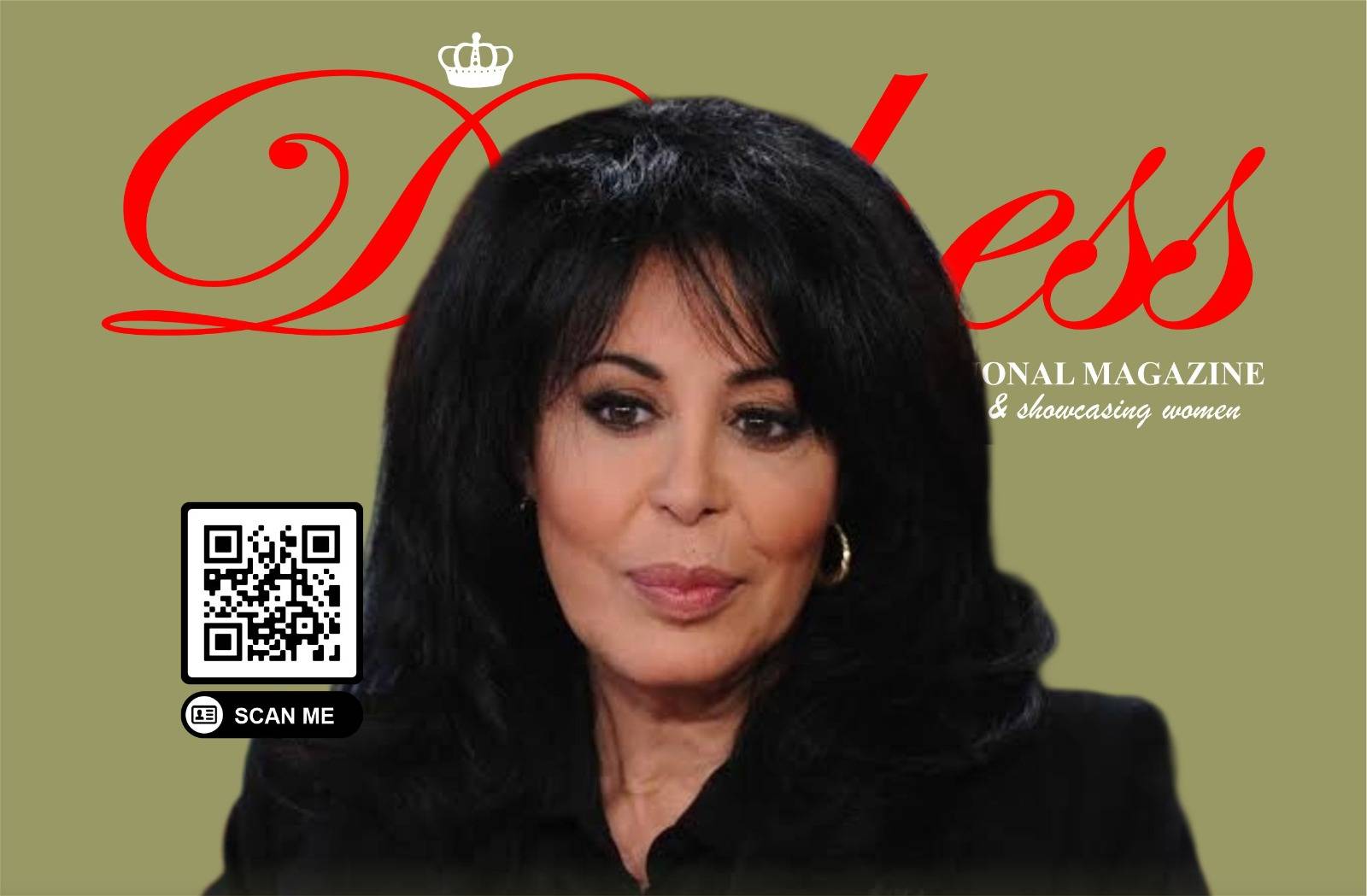
There are women whose influence is measured by visibility, and there are women whose impact is defined by the conversations they transform. Yamina Benguigui belongs to a rare class of cultural figures whose work extends beyond recognition into lasting relevance. Through filmmaking, public engagement, and cultural advocacy, she has established a reputation rooted in substance, intellectual depth, and refined leadership. Her journey reflects more than professional achievement; it represents the deliberate construction of a legacy shaped by vision, conviction, and the enduring power of storytelling.
Born into an Algerian family and raised within the cultural environment of France, Benguigui developed an understanding of identity that was informed by multiple worlds. Rather than seeing complexity as an obstacle, she embraced it as a source of perspective and creative strength. This foundation would later define her career and establish the thematic direction of much of her work. Her ability to navigate heritage, modernity, and international influence became one of the distinguishing characteristics that elevated her voice within contemporary cultural discourse.
At the centre of Benguigui’s influence is an exceptional commitment to narrative excellence. Through documentary and visual storytelling, she created work that explored questions of belonging, migration, identity, and social experience with remarkable sophistication. Her approach moved beyond observation and entered the realm of interpretation, giving audiences access to stories presented with dignity and emotional intelligence. By centring human experience rather than stereotypes, she built a catalogue of work that continues to resonate across generations and cultural boundaries.
What distinguishes Benguigui is that her authority was never confined to cinema alone. Her influence expanded into public and cultural leadership where she became associated with broader conversations around representation, participation, and societal development. Rather than separating artistic expression from civic responsibility, she demonstrated how both spaces could complement one another. Her presence in these arenas reinforced the idea that meaningful cultural influence is created not through momentary attention but through sustained contribution and thoughtful engagement.
There is an unmistakable elegance in the way Benguigui occupies public life. Her leadership style reflects restraint, clarity, and a preference for impact over spectacle. In an era where visibility is often mistaken for significance, she has maintained an approach rooted in ideas, cultural stewardship, and intellectual presence. This disciplined philosophy has strengthened her reputation as a figure whose relevance is built on depth rather than trend, and whose work continues to command attention without demanding it.
Yamina Benguigui also represents a compelling portrait of contemporary African excellence within global cultural spaces. Her career illustrates how heritage can become a source of strength while embracing international relevance and influence. She embodies a model of leadership that remains connected to identity while operating confidently across institutions, industries, and audiences. This balance has contributed to her standing as a woman whose work transcends geography and speaks to universal questions of identity and human experience.
To describe Yamina Benguigui solely as a filmmaker would fail to capture the scale of her contribution. She stands as a cultural architect whose work has shaped perspectives and expanded conversations across borders. Her story demonstrates that enduring influence is rarely accidental; it is built through consistency, intellectual courage, and the determination to create narratives that leave a permanent imprint. Through her continued presence and body of work, she remains an enduring symbol of grace, authority, and timeless cultural distinction.