

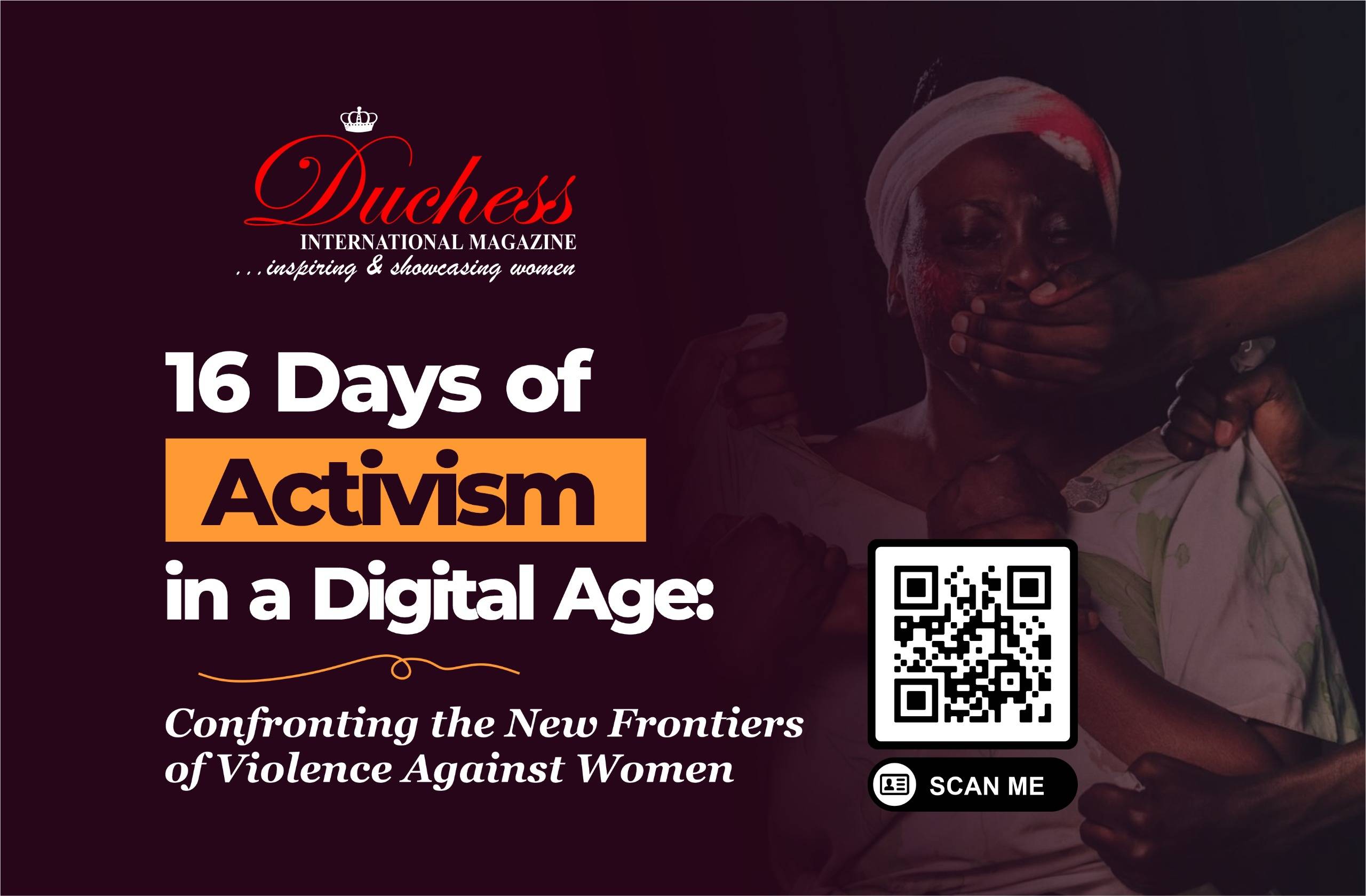
The violence women face has not disappeared with the arrival of smartphones and artificial intelligence. It has simply acquired new methods, new audiences, and an alarming ability to follow its victims everywhere. A woman can leave an abusive relationship and still be monitored through her phone. A professional can build a public career only to find herself targeted by sexualized deepfake images. The settings may be digital, but the consequences are painfully real: fear, humiliation, and psychological distress. The screen has not made violence less serious; it has given it additional ways to operate.
This is the uncomfortable reality confronting the world as we mark the 16 Days of Activism against Gender-Based Violence, observed annually from 25 November to 10 December. The United Nations’ UNiTE campaign calls for justice, survivor protection, and an end to impunity. This recognition matters because the distinction between online and offline abuse is increasingly impossible to maintain. A threatening message can become an in-person confrontation; a fake image can trigger harassment at work. Violence does not become harmless simply because it travels through a device.
Technology-facilitated harassment includes persistent unwanted messages, cyberstalking, doxxing, and the non-consensual circulation of intimate images. Coordinated attacks can overwhelm a woman’s social media accounts simply because she has expressed an opinion or pursued a public role. Women journalists, politicians, and activists are particularly exposed, but ordinary women and girls are also targeted in private messages and personal relationships.
Artificial intelligence has made the situation more disturbing. Deepfake technology can be used to create fabricated explicit material, inserting a woman’s face into images or videos she never participated in. Even when an image is false, the humiliation, blackmail, and reputational damage experienced by the person targeted are not. The speed at which such material can be created and shared makes containment nearly impossible. Technology that can support education and economic opportunity is being turned into an instrument of sexual exploitation when safeguards fail to keep pace.
The problem is compounded by massive gaps in legal protection. UN Women reported that fewer than 40 percent of countries have laws protecting women from cyber harassment or cyberstalking. Even where laws exist, cross-border platforms and anonymous accounts make investigation incredibly difficult. A woman should not have to become an expert in digital forensics simply to seek protection, and a perpetrator should not be able to hide behind the complexity of the internet.
Furthermore, a pervasive culture of victim-blaming makes digital abuse easier to sustain. When a woman reports threats, she is often advised to delete her account, stop expressing opinions, or avoid public engagement. These responses place the burden of preventing abuse on the person experiencing it. They create a quiet but damaging form of exclusion: women withdraw from professional opportunities and public platforms not because they lack ambition, but because participation comes with a price they should never have to pay. The response cannot end with telling women to use stronger passwords. Technology companies must design platforms that do not reward harassment, and governments must modernize laws to ensure survivors can access justice without further humiliation.
Ultimately, the question is not whether women should participate in the digital world. They already work, learn, build businesses, and shape public debate there. The question is whether society is prepared to defend their right to do so safely. Abuse carried out through a screen deserves serious investigation; fabricated images deserve meaningful redress. The promise of technology should be greater freedom and opportunity, not another arena in which women are forced to negotiate their safety. A world free from violence must be safe in every space women inhabit, including the spaces they enter with a password, a profile, and a voice.

