

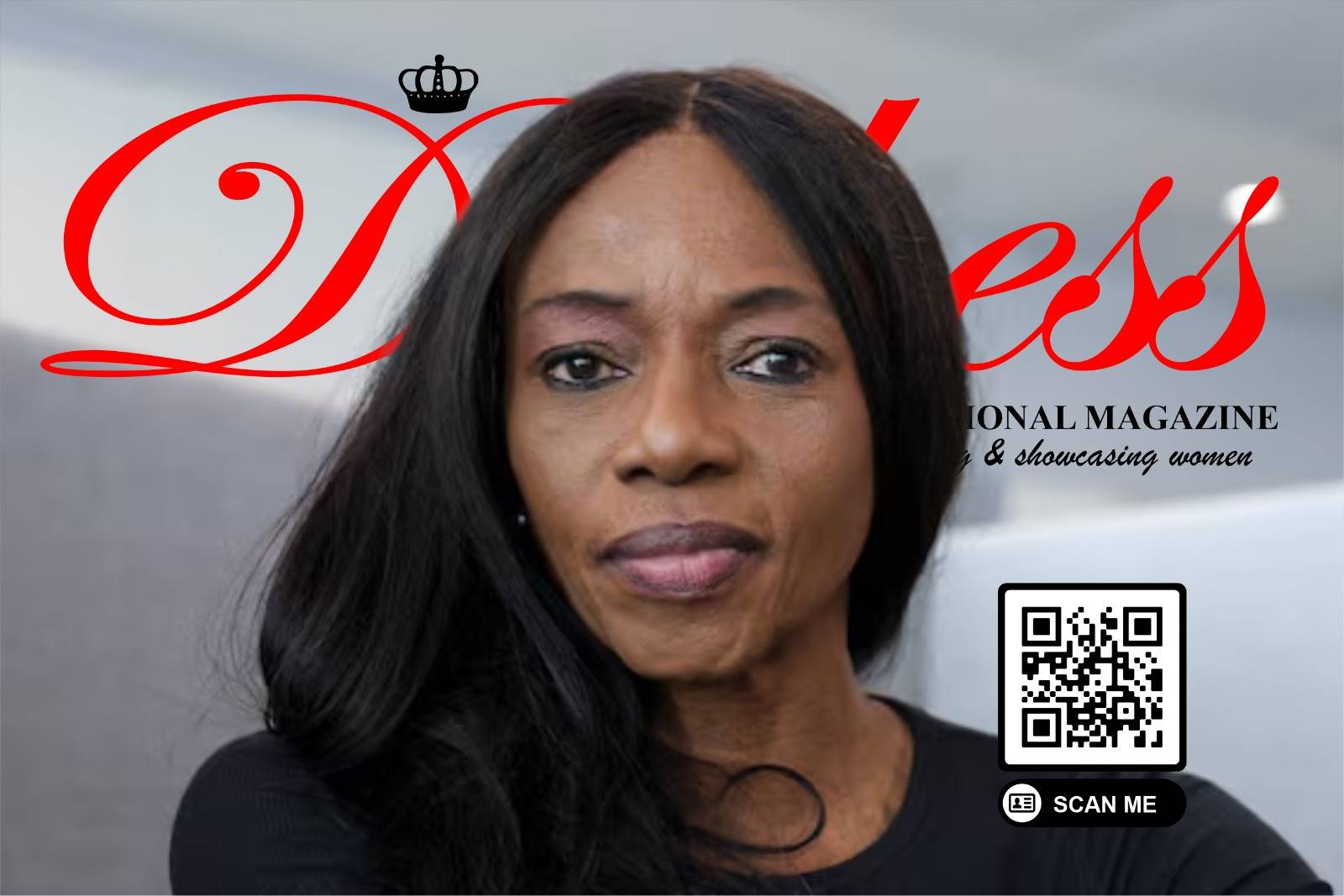
In a world of football where leadership has traditionally been dominated by men, Isha Johansen has built a career that places her among the most recognisable women in African sports administration. The Sierra Leonean entrepreneur and former football executive made history in 2013 when she became the first woman to lead the Sierra Leone Football Association (SLFA). Eight years later, she reached another milestone, becoming the first West African woman elected to the FIFA Council. Yet her story began long before she entered football’s boardrooms, shaped by family, business interests and a determination to use her influence to create opportunities for others.
Born in Freetown, Sierra Leone, Johansen grew up in a family with a strong connection to football. Her father was a co-founder of East End Lions FC, one of the country’s prominent football clubs, and regularly took her to matches. She also played football with her brothers, developing an early familiarity with the sport and its place in Sierra Leonean life. Her education took her between Sierra Leone and England, including a convent school in Freetown and a boarding school in Yeovil. Although her professional career would eventually become closely associated with football, her early interests extended into business, publishing and social initiatives.
In her twenties, Johansen ventured into publishing, launching Rapture, a magazine that reflected her interest in media and communications. Her work beyond publishing also included initiatives aimed at recognising women’s contributions and addressing health concerns. She established the Women of Excellence Awards to celebrate women’s achievements and founded the Pink Charity Fund, which focused on breast cancer awareness and support for women. These experiences helped establish her as an entrepreneur and advocate long before she became a prominent figure in football governance. They also reveal the breadth of her professional interests, which have consistently extended beyond one industry.
A defining chapter began in 2004 when Johansen founded FC Johansen in the aftermath of Sierra Leone’s civil war. Concerned about children whose lives had been disrupted by the conflict, she wanted to provide young people with a constructive environment, access to education and an opportunity to pursue their interest in football. The club required its young players to attend school while providing support and football equipment. What started as a grassroots initiative gradually developed into a competitive club, attracting international attention. In 2011, FC Johansen won the Swiss Under-16 Cup after defeating Liverpool’s youth team in the final, a result that brought attention to the young Sierra Leonean players and the woman who had helped create their opportunity.
Johansen’s growing involvement in football development eventually led her into administration. In August 2013, she was elected president of the Sierra Leone Football Association, becoming the first woman to hold the position. Her tenure was marked by considerable challenges, including institutional disagreements, the Ebola outbreak and the disruption caused by the COVID-19 pandemic. She also faced sustained personal attacks and allegations of corruption. In 2017, she and SLFA General Secretary Christopher Kamara were charged over the handling of football funds. Both denied wrongdoing and were acquitted by Sierra Leone’s High Court in May 2019, with the Anti-Corruption Commission confirming the court’s decision. The episode became one of the most difficult periods of her presidency, illustrating the pressures and scrutiny surrounding football administration in the country.
Her leadership journey also reached the continental stage. Johansen became a member of the Confederation of African Football’s Executive Committee in 2016 and held responsibilities connected to the development of women’s football. Her work within African football administration expanded her influence beyond Sierra Leone, placing her among the women involved in shaping the direction of the continental game. In March 2021, she was elected to the FIFA Council, becoming the first West African woman to secure a place on the governing body. The achievement was a significant milestone for Sierra Leone and for women’s representation in international football leadership. She served on the Council until March 2025, when she lost her seat in the CAF election.
Away from the football administration structures, Johansen has continued to advocate for sport as a means of social development. Her work has included initiatives seeking to widen access to football for women and girls, as well as efforts to create opportunities for women in correctional facilities through coaching and football-related programmes. In 2026, she announced and released her memoir, The Uncommon Enemy, offering her personal account of her years in football leadership, the disputes surrounding her presidency and the experiences that shaped her career. The book adds another dimension to her public life, allowing her to tell her story beyond the headlines and official positions that have often defined public discussion of her work.
Isha Johansen’s career has moved through several worlds: publishing, entrepreneurship, philanthropy, grassroots football and international sports governance. Her achievements include building a youth football club from a community initiative, becoming the first woman to head Sierra Leone’s football association and earning a place on FIFA’s Council as the first woman from West Africa to do so. Her journey has not been without controversy or difficult moments, but it is precisely this complexity that makes her story worth examining. She has helped expand the possibilities of who can lead in African football, while leaving a record that extends beyond the positions she has held to the young people and communities she has sought to serve.

