

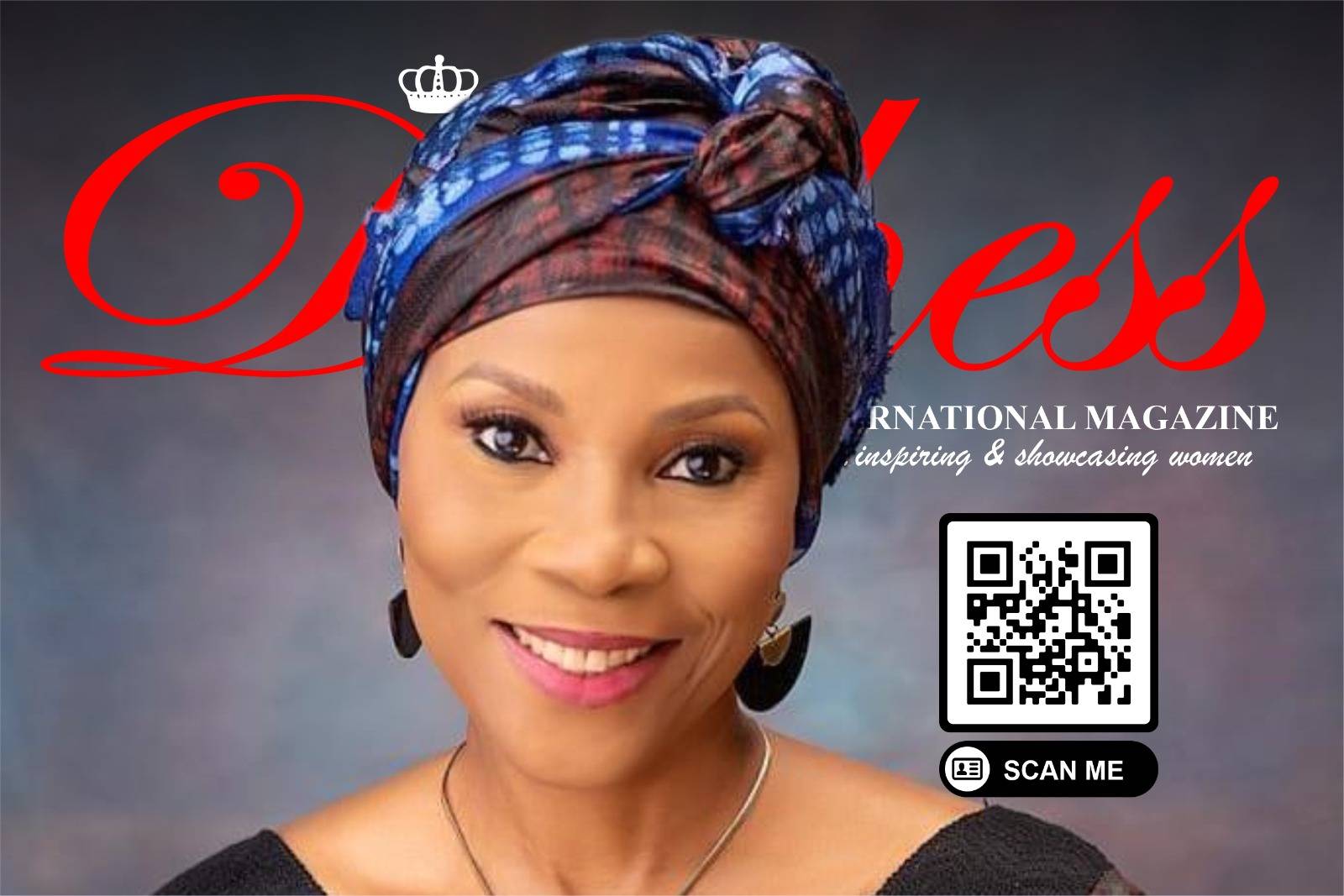
One of the most important questions in international development is who gets to shape the decisions that affect a continent’s future. For Africa, that question involves more than securing a place at the table; it is about ensuring that the continent’s priorities, people and perspectives help shape the conversation. Nigerian diplomat and development leader Ahunna Eziakonwa has built a career around this responsibility. After nearly three decades of service within the United Nations system, she reached another significant milestone in 2026 when she was appointed Under-Secretary-General and Special Adviser to the United Nations Secretary-General on Africa, taking up the position on 1 August. Her journey reflects years of work across humanitarian response, international development and the coordination of complex regional priorities.
Eziakonwa’s professional foundation began in Nigeria, where she studied at the University of Benin, earning a Bachelor of Arts degree in Pedagogy, English and Literary Studies. She later pursued a Master’s degree in International Affairs at Columbia University’s School of International and Public Affairs in New York, specialising in African economic and political development. Her academic background brought together education, communication and an understanding of the economic and political forces shaping societies. These disciplines would become relevant throughout a career that required her to engage with governments, development institutions, humanitarian organisations and communities facing different forms of social and economic pressure.
Before joining the United Nations, Eziakonwa held senior positions in African civil society organisations. One of her earlier roles was with Initiatives of Change, where she served as international coordinator of its Creators of Peace – Women’s Initiative. The programme’s focus on women and peacebuilding offered an early connection to issues that would remain important in her later work: inclusion, dialogue and the participation of people whose experiences are often overlooked in formal decision-making. Her transition into the United Nations was therefore not a sudden move into international prominence, but an extension of work already rooted in development, social engagement and the search for practical responses to difficult challenges.
Her United Nations career took her across several African countries and areas of responsibility. She served as UN Resident Coordinator and UNDP Resident Representative in Lesotho from 2008 to 2012, Uganda from 2012 to 2015, and Ethiopia from 2015 to 2018. In these positions, she worked at the intersection of development coordination, government engagement and the wider UN system. In Ethiopia, she also served as Humanitarian Coordinator, bringing development and humanitarian responsibilities together in a country where responding to immediate needs and supporting longer-term progress required close institutional cooperation. These country-level assignments gave her experience of the realities behind international policy discussions and the importance of adapting development support to national circumstances.
Eziakonwa also held senior responsibilities within the United Nations Office for the Coordination of Humanitarian Affairs (OCHA), including serving as Chief of the Africa Section in New York. In that capacity, she managed humanitarian operations across 15 African countries, with responsibilities involving responses to emergencies, natural disasters and transitions towards recovery. She had also served in field positions in Liberia and Sierra Leone, countries that experienced difficult periods of conflict and recovery. Humanitarian leadership demands more than the ability to coordinate institutions; it requires understanding the urgency of people’s needs while bringing different agencies and partners together around a response. This experience added another important dimension to her professional record, preparing her for leadership roles that required both regional understanding and international coordination.
A major turning point came in June 2018, when United Nations Secretary-General António Guterres appointed her Assistant Administrator and Director of the UN Development Programme’s Regional Bureau for Africa. She officially began the role on 15 August 2018, at the rank of Assistant Secretary-General. In this position, she led UNDP’s work supporting 46 African countries in their efforts to advance the 2030 Agenda for Sustainable Development and the Sustainable Development Goals. Her responsibilities placed her at the centre of conversations about poverty reduction, economic transformation, governance, resilience, peace and development across the continent. It was a substantial portfolio, requiring engagement with national governments, regional institutions, development partners and UN teams working across diverse African contexts.
During her time leading UNDP’s Africa portfolio, Eziakonwa championed initiatives intended to strengthen African development capacity and broaden opportunities for the continent’s people. UNDP’s official biography credits her with establishing the Africa Influencers for Development platform, the Africa Young Women Leaders Initiative, Africa Innovates magazine and the Africa Borderlands Centre. These initiatives addressed different but connected priorities, including mobilising African expertise and investment, expanding leadership opportunities for young women, highlighting innovation and drawing greater attention to communities and economies in border regions. Her work also promoted a stronger role for African voices in defining the continent’s development narrative, challenging approaches that treat Africa only as a recipient of international assistance rather than a source of ideas, resources and solutions.
In June 2026, the United Nations announced Eziakonwa’s appointment as Under-Secretary-General and Special Adviser to the Secretary-General on Africa. She began her new assignment on 1 August 2026, succeeding Cristina Duarte of Cabo Verde. The appointment marked a significant progression in her career, moving from leadership of UNDP’s regional development work to an advisory position focused on Africa within the office of the UN Secretary-General. The Office of the Special Adviser on Africa works to strengthen international understanding of African development priorities and support the relationship between the United Nations and the continent. With her extensive experience across humanitarian coordination, country-level development and regional leadership, Eziakonwa brings to the role a perspective shaped by years of direct engagement with African institutions and communities.
Ahunna Eziakonwa’s leadership journey is significant not simply because of the seniority of the positions she has held, but because of the range of responsibilities behind them. From civil society work in Africa to humanitarian coordination, country-level UN leadership, continental development strategy and now an advisory role to the UN Secretary-General, her career demonstrates the value of experience built across institutions and national contexts. Her appointment also places a Nigerian woman in a senior position within the United Nations Secretariat at a time when Africa’s development priorities, economic opportunities and place in global decision-making remain central issues. For Duchess International Magazine, her story is a reminder that influence is built through sustained work, informed leadership and the ability to bring important perspectives into the rooms where decisions are shaped.

