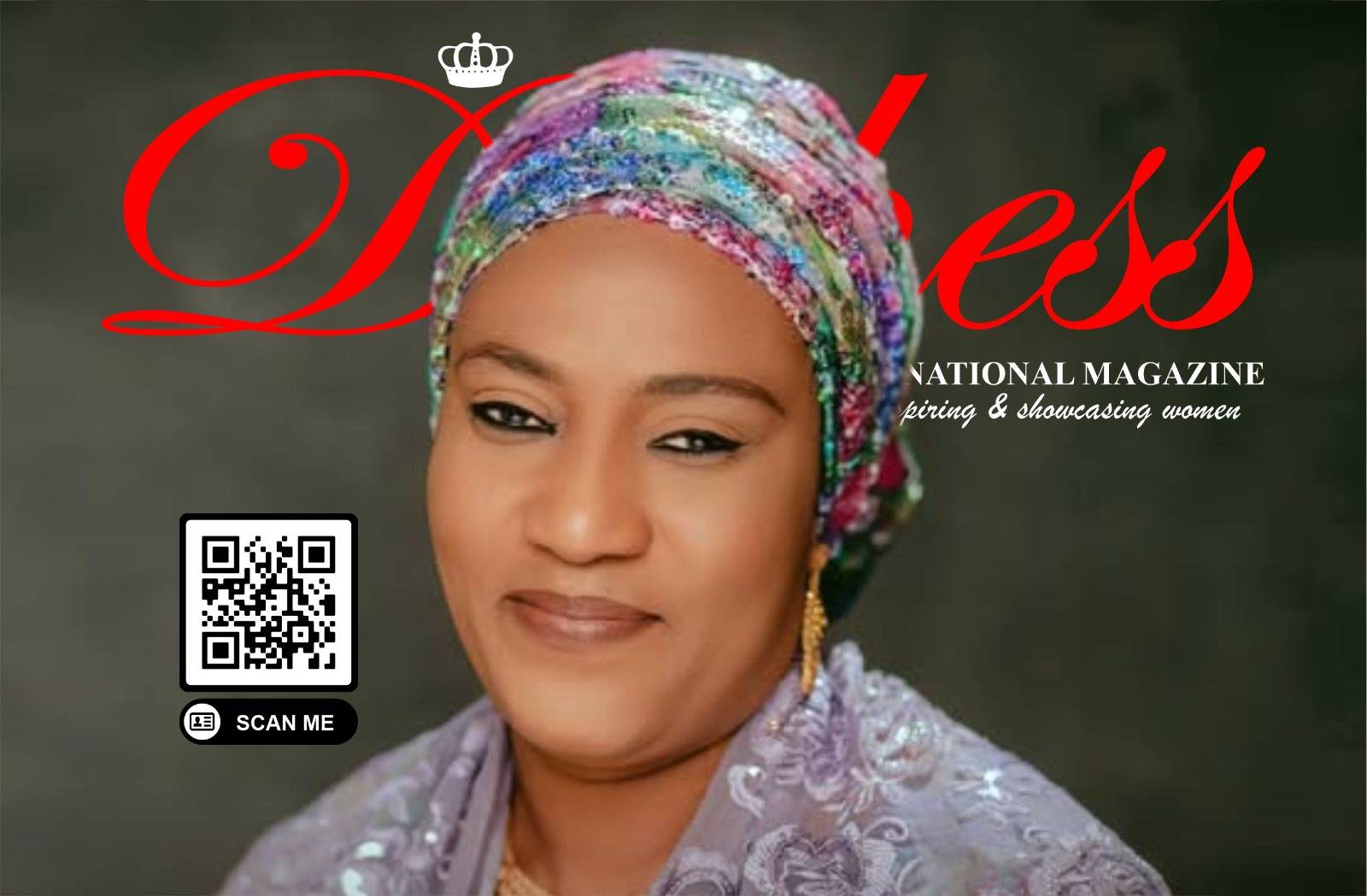
Nana Kashim Shettima, the wife of Nigeria’s Vice President, Kashim Shettima, occupies a distinctive place in the country’s contemporary public life, defined less by visibility and more by consistent, structured humanitarian engagement. As Second Lady of the Federal Republic of Nigeria, she represents a model of reserved influence, where public service is expressed through sustained action rather than ceremonial prominence.
Born on 22 July 1975 in Kano State, she was raised within the cultural and social milieu of Northern Nigeria, where communal responsibility, discipline, and resilience are deeply embedded values. Her upbringing was shaped by these cultural foundations, which fostered an early awareness of community life and the importance of service to others. These formative influences later informed her outlook on social responsibility and humanitarian engagement.
She pursued her higher education at the University of Maiduguri, where she laid the academic foundation that later shaped her engagement in social development work. She further strengthened her academic profile with a Postgraduate Diploma in Education, an academic path that reflects her enduring interest in knowledge systems, human development, and the transformative power of education.
Her entry into public life became more pronounced during her tenure as First Lady of Borno State, while her husband served as governor. This period coincided with one of the most complex humanitarian landscapes in Nigeria’s recent history, marked by displacement, insecurity, and widespread social disruption. Within this context, she gradually emerged as a steady presence in relief coordination and community support initiatives.
It was during this period that her humanitarian focus became more structured and institutionalised. Through direct engagement with affected populations, she developed a deeper understanding of the long-term needs of vulnerable groups, particularly widows, orphans, and displaced families. This experience would go on to shape the strategic direction of her later initiatives in social welfare and empowerment.
Her establishment of the SWOT Foundation (Support for Widows, Orphans and Tsangaya) marked a defining milestone in her public service journey. The foundation was conceived as a platform for structured intervention, focusing on education support, empowerment programmes, and social reintegration for disadvantaged groups. Its work reflects a deliberate shift from short-term relief to sustainable development outcomes.
Across her engagements, Nana Kashim Shettima has consistently prioritised dignity-based empowerment. Her initiatives are anchored in the belief that meaningful social intervention must extend beyond immediate assistance to include skills acquisition, education, and pathways to economic independence. This philosophy has positioned her work within a broader framework of long-term social transformation.
Despite her proximity to national power, she has maintained a notably understated public profile, characterised by discretion and intentionality. Her leadership style is marked by quiet consistency rather than public spectacle, reflecting a preference for impact-driven engagement. In her current role as Second Lady of Nigeria, she continues to embody a model of service rooted in continuity, empathy, and institutional focus on the most vulnerable segments of society.