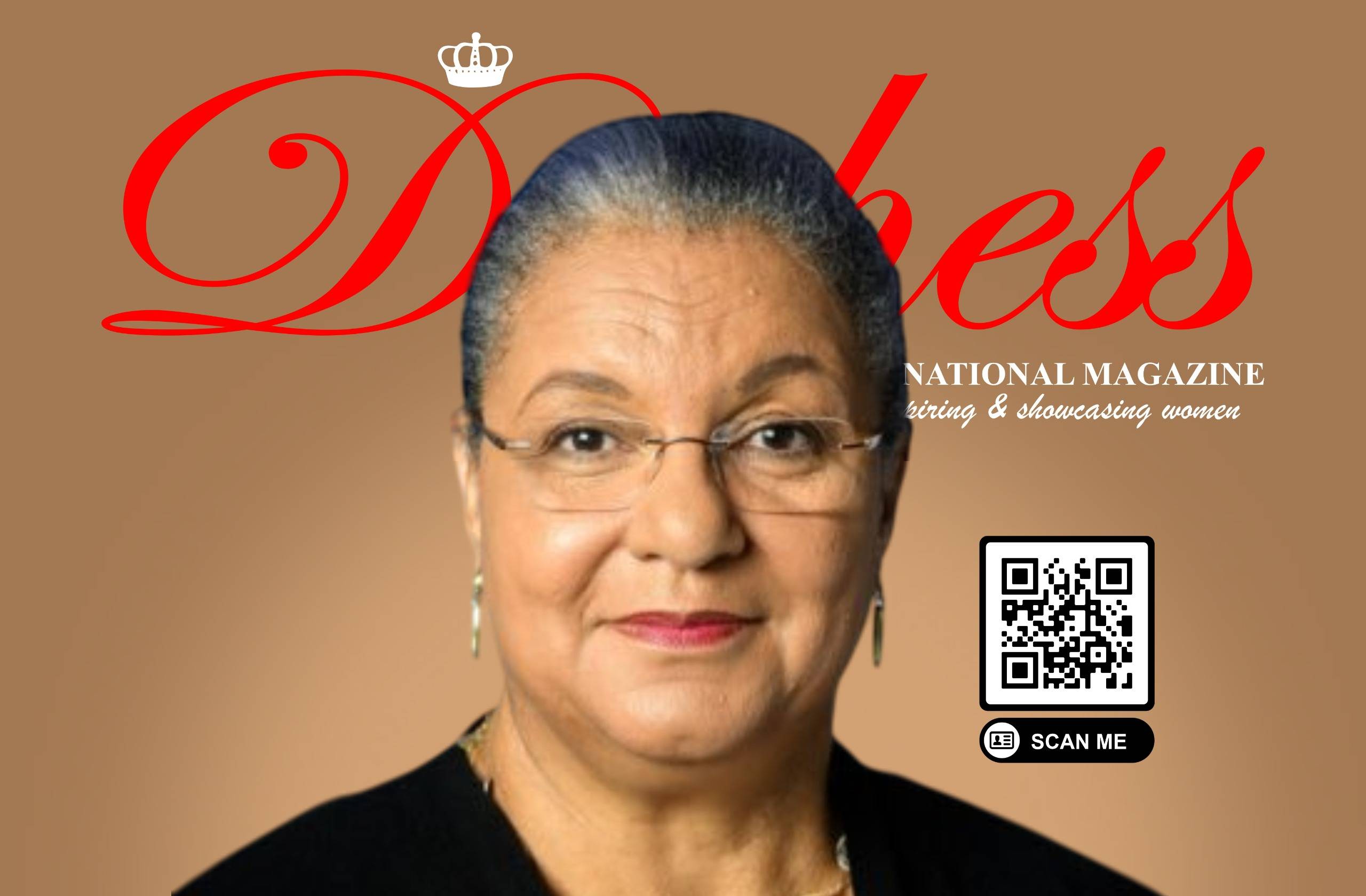
“Leadership is not about being in charge; it is about taking care of those in your charge.” This timeless principle resonates deeply with the life and career of Hanna Tetteh, a Ghanaian barrister, politician, and diplomat whose journey has been marked by dedication, intellect, and service. Born on May 31, 1967, in Szeged, Hungary, to a Ghanaian father and Hungarian mother, Tetteh’s story bridges continents and cultures. Her formative years in Ghana, particularly her education at Wesley Girls’ High School in Cape Coast, instilled in her the discipline and ambition that later define her rise in law, politics, and international diplomacy.
Tetteh began her professional journey with the International Federation of Women Lawyers (FIDA) during her National Service, where she honed her passion for advocacy and human rights. She then practiced privately with Ansa-Asare and Company in Accra before joining the Commission on Human Rights and Administrative Justice. Shortly thereafter, she transitioned into the corporate sector as Legal Adviser at Ghana Agro Food Company (GAFCO), where she quickly rose through the ranks, holding senior management positions, including Deputy General Manager and later General Manager. Her corporate experience gave her valuable insights into administration, finance, and organizational leadership, skills that later prove indispensable in her political and diplomatic roles.
Her political journey began in earnest in 2000 when she contested and won the parliamentary seat for Awutu Senya Constituency on the ticket of the National Democratic Congress (NDC). Though she served just one term, she left a mark with her effective representation. After returning briefly to her corporate role at GAFCO, Tetteh re-emerged on the national stage in 2008 as the NDC’s National Communications Director, where she masterminded the party’s messaging during a crucial presidential campaign. Her success in this role elevated her profile and set the stage for her ministerial appointments.
In 2009, Tetteh was appointed Minister of Trade and Industry under President John Evans Atta Mills. During her tenure, she became a member of the government’s economic management team and chaired the Ghana Free Zones Board, helping to shape policies that boosted trade and investment. Her leadership in this role positioned her as one of Ghana’s key voices on economic matters. Four years later, under President John Dramani Mahama, she was entrusted with the portfolio of Minister for Foreign Affairs, a position she held until 2017. As Foreign Minister, she represented Ghana on the global stage, served on the National Security and Armed Forces Councils, and chaired the ECOWAS Council of Ministers, reinforcing her status as a diplomat of great repute.
Beyond Ghana’s borders, Tetteh’s career has continued to soar on the international stage. In 2018, she was appointed Director-General of the United Nations Office at Nairobi (UNON), a role that marked her entry into senior-level UN leadership. She later became Special Representative to the African Union and Head of the United Nations Office to the African Union (UNOAU), where she played a central role in fostering peace, security, and cooperation across the continent.
Her diplomatic influence grew further when, in 2022, she was named the UN Secretary-General’s Special Envoy for the Horn of Africa, a position that tasked her with navigating one of the most complex and conflict-prone regions in the world. In 2025, her stature reached new heights with her appointment as the Secretary-General’s Special Representative for Libya and Head of the United Nations Support Mission in Libya (UNSMIL), placing her at the helm of peace and stabilization efforts in a country critical to regional and global security.
Across decades of service, Hanna Tetteh has stood as a symbol of dedication, intellect, and leadership. From her early beginnings as a barrister in Ghana to becoming one of Africa’s most influential voices on the global stage, her journey reflects a rare blend of legal expertise, political acumen, and diplomatic skill. She has not only broken barriers as a woman in leadership but has also proven that true service lies in using one’s talents to effect change at every level—local, national, regional, and international. Her legacy continues to inspire generations across Africa and beyond, affirming her place as one of the most distinguished Ghanaian women of her time.