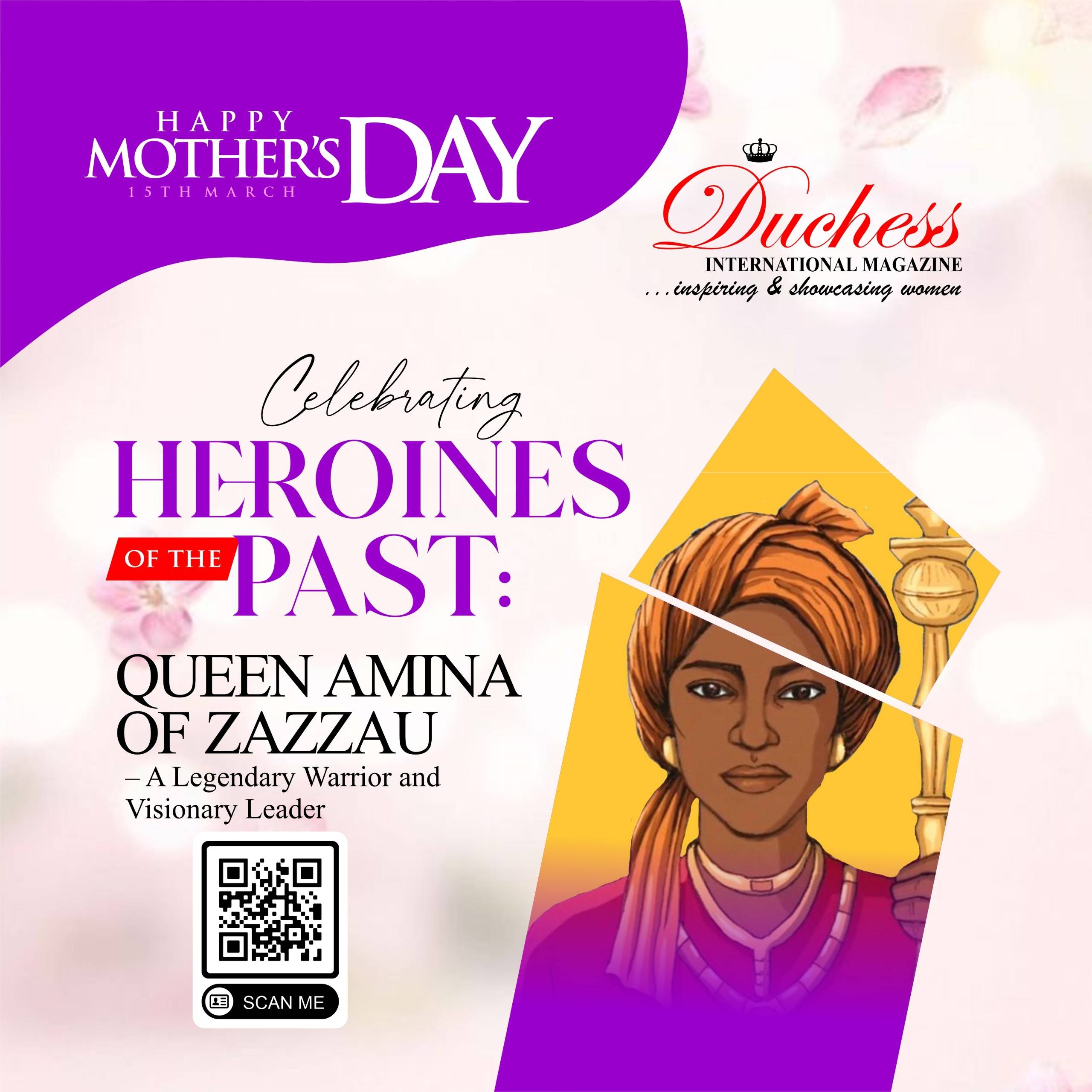
Queen Amina of Zazzau, often celebrated as Queen Zazzau, stands as one of Africa’s most legendary female rulers. Born in the 16th century in what is now modern-day Zaria, Nigeria, she emerged at a time when women were rarely given authority or recognition in governance or warfare. From a young age, Amina displayed exceptional courage, intelligence, and determination. She was a visionary, aware of the potential within herself and her people, and she nurtured that potential with both boldness and wisdom. Her early life hinted at the extraordinary influence she would one day wield over her kingdom, shaping not only politics but also the very spirit of leadership for generations to come.
Her ascent to power was marked by strategic brilliance and unshakable resolve. Amina inherited a kingdom full of opportunity and challenge, and she seized it with decisiveness. She built alliances, understood the subtleties of diplomacy, and commanded loyalty from both men and women in her court. Under her guidance, Zazzau transformed into a formidable and prosperous state, known for its disciplined military, organized trade networks, and stable governance. Her leadership combined foresight with daring, showing that vision and action together can change the course of history.
Queen Amina’s influence was perhaps most visible on the battlefield. She led numerous military campaigns, expanding Zazzau’s territories, fortifying cities, and securing trade routes that enriched the kingdom. Her reputation as a warrior spread far and wide, inspiring awe and respect even among neighboring states. Yet her military prowess was matched by careful planning and empathy; she never waged war without considering the welfare of her people. Her victories were as much about protecting and nurturing her kingdom as they were about conquest, demonstrating that true leadership requires both strength and responsibility.
Beyond military campaigns, Amina was a maternal figure to her people, guiding, protecting, and nurturing her kingdom as a mother tends to her family. She instituted policies that safeguarded lives, encouraged growth, and fostered resilience. Her governance ensured that her subjects had security, access to trade, and thriving communities. Through her example, she showed that leadership could be both firm and compassionate — that strength and care were not mutually exclusive. Her people flourished under her rule, reflecting the profound impact of her protective and nurturing instincts.
Her vision extended to the economic, social, and cultural development of Zazzau. Amina encouraged trade, improved infrastructure, and fortified cities to ensure safety and prosperity. She understood that a kingdom’s strength relied not just on armies but also on commerce, planning, and education. By nurturing these systems, she created opportunities for growth that lasted far beyond her reign. Her influence strengthened communities, inspired future leaders, and cemented her legacy as a ruler whose foresight safeguarded generations.
Today, Queen Amina is celebrated as a symbol of courage, empowerment, and maternal leadership. She remains a beacon of inspiration, remembered not only as a fearless warrior and shrewd ruler but as a guardian and mentor to her people. Her life reminds us that motherhood is not confined to the family unit; it can manifest in guidance, protection, and the shaping of society itself. On this Mother’s Day, we honor her vision, her strength, and her enduring legacy — a timeless testament to the extraordinary power of women who lead with both courage and care.